Will your manager go to bat for you?
How to earn "fight for you" manager support


Hello, it’s Ethan & Jason. Welcome to a *paid subscriber* edition of Level Up: Your guide to grow fast, avoid mistakes, and make optimal career moves.
If you are not a paid subscriber, here’s popular articles you missed:
It's almost year-end and your education budget does not roll over! Send this email template to your manager to expense this newsletter and join our private Slack community of 1300+ members and 23 specialized career channels with active peer support.
I got to Amazon VP after 2 promotions by managing up well. My managers fought for my promotions.
How do you earn “fight for you” manager support?
In this article, we break down the 3 criteria that get your manager to put their reputation and energy into helping you (each with a specific action), how to disagree with your manager while not making them look bad, and extra audience insights on how they formed strong relationships.
To start, the 3 criteria:
Good work performance
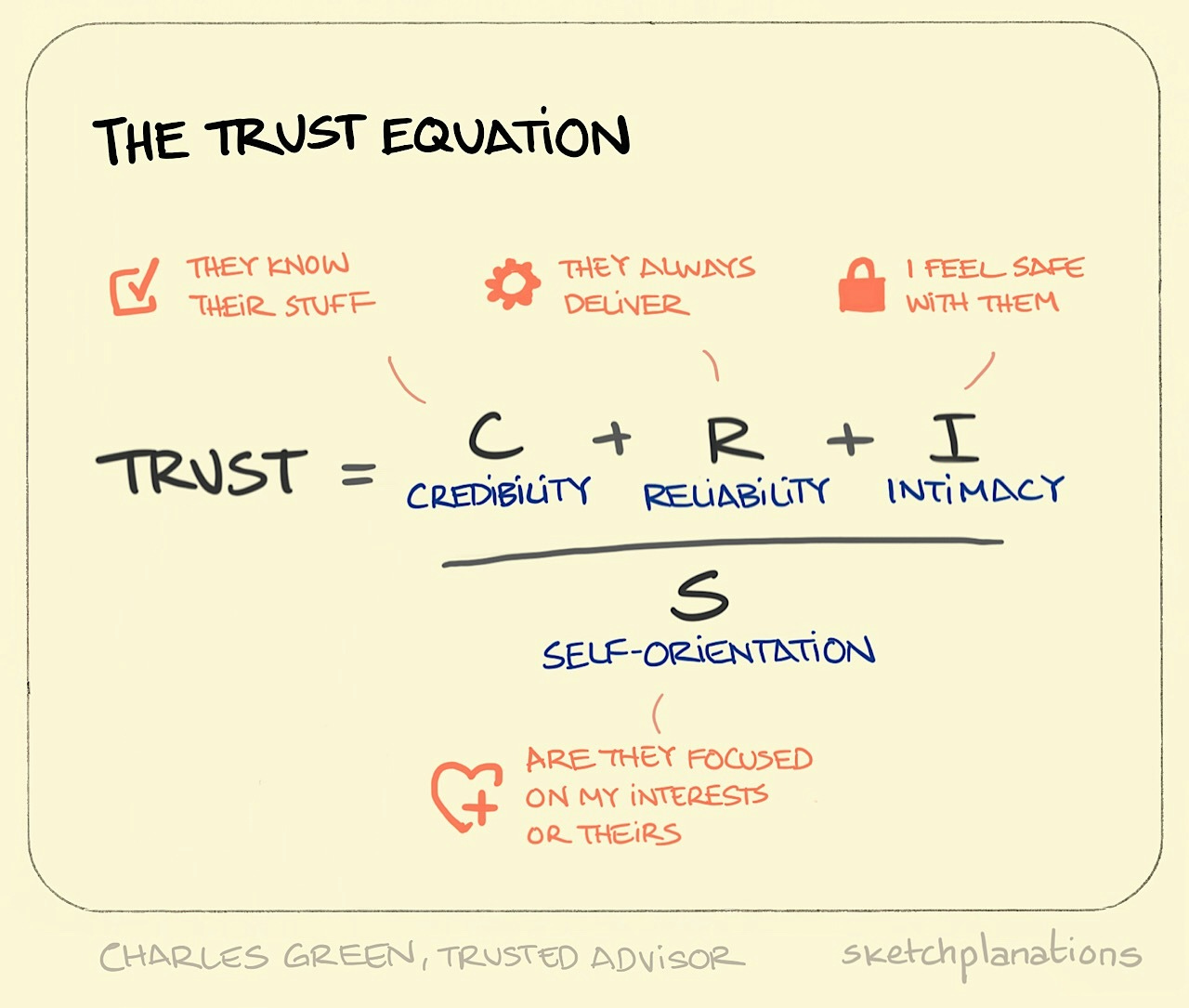
People they trust
They "like" you
1. Good performance means that you do excellent work and are reliable.
This is work that makes their jobs easier.
Note, however, that good work alone is not enough.
You need the other two factors, which is why the smartest person or the hardest worker is not always the one to move up.
Some people call the other two factors politics or favoritism.
I disagree.
They are part of overall performance, which is more than just "the work."
Executive Coaching Action: In your next 1:1, ask your manager directly: “What would make me indispensable to you this quarter?” After delivering, to reinforce the loop, ask: “Was that what you needed? What could I have done better?”
2. Trust means that your manager can count on you in several key ways:
You will deliver/get the work done
You will make good/safe decisions when they are not around
You know when to ask them before acting / you will not surprise them with disasters or bad news
You will help them look good / avoid having them look bad. Looking bad is emotionally painful, so if people think you will embarrass them they will not promote you
Good managers generally aren’t "shallow" or overly worried about their reputations, but no one likes to worry or be embarrassed.
So, these things matter.
Executive Coaching Action: Think like your executive’s Chief of Staff — anticipate what they care about and brief them before they ask. For example, before key meetings, send a short update that says: “Here’s what’s changed, what might come up, and how I’m handling it.”