

Secret Weapon of Highly Successful People: Being Low Maintenance
1 red flag to avoid because it makes you be perceived as high maintenance

Hello, it’s Ethan & Jason. Welcome to Level Up: Your source for executive insights, high performance habits, and specific career growth actions.
3 FYIs:
Watch “How to Say You Stink…Nicely”. Ethan’s career talk on how to deliver hard & delicate messages (answering real submissions). Watch here.
Watch Jason & Ryan Holiday talk about ‘Lives of the Stoics.’ They dive deep into Stoicism and Ryan’s process to stay curious. Watch here.
(May 22) Workshop: "The 6 Steps To Land A Great and High Paying Job". Learn how to navigate today's competitive job market. RSVP here.
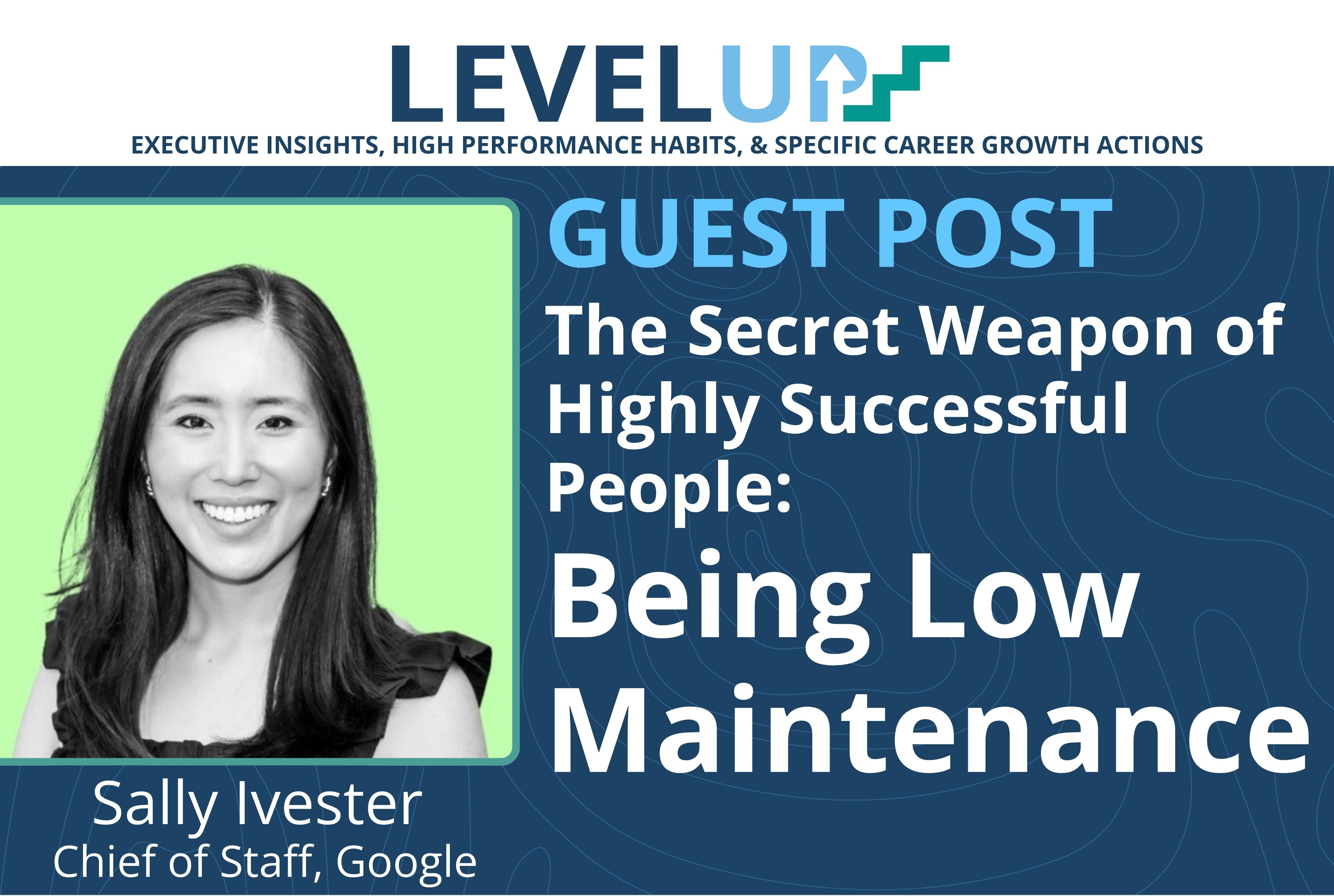
We are thrilled to bring you a guest post by Sally Ivester, a 12+ year Googler and Chief of Staff who learned the hard way that hard work isn’t what gets you ahead—working loudly does.
As the eldest daughter of Asian immigrants, she was taught to keep her head down and deliver. In corporate, that behavior makes you keep getting overlooked.
So she rewired everything—how she spoke about her work, how she showed up, and how she positioned herself as someone people wanted to bet on.
Now she teaches mid-career ICs how to do the same in her course - Be the Investment, Not the Gamble - Using AI as Your Unfair Advantage. This course rewires how you lead, speak, and rise in systems that were never built for you. It gives you the tools you need to:
✅ Kill the career demons whispering “stay small,” “don’t rock the boat,” and “you’re not ready yet.”
✅ Show up with high-impact, low-maintenance energy that makes execs want to pull you in.
✅ Work Loudly—without the cringe—so your name carries weight in the rooms that matter.
In this article, Sally distills why being low-maintenance is a superpower and one big red flag to avoid.
"Why do less talented, less hardworking people keep getting the best projects while I get overlooked?"
"Why does every performance review feel like a fight for my worth instead of a real conversation?"
"Why does it feel like I’m stuck in place while others keep leveling up?"
Everyone thinks getting high-priority projects and getting promoted are all about impact, but here’s the harsh truth: If you’re high-maintenance, you’re the last one on the promotion list.
Right now, companies are cutting back and leaders aren’t taking risks on people who drain them. So, when your name comes up in discussions about who will be staffed or trusted with leading high-priority projects, your manager isn’t just thinking about your results. They’re thinking: "Will this person make my life easier or harder?"
If the answer is harder, you’re not getting picked.
If you’re not bought into this idea, look at celebrities.
🏈 Antonio Brown (NFL)
He’s one of the best receivers in the world. But, constantly fought with management. And, he had off-field drama that made him radioactive. Even though he had Hall of Fame talent.
🎬 Katherine Heigl (Hollywood)
She’s an Emmy winner and rising move star. But she publicly criticized the scripts of shows she was on, and she earned a “difficult” reputation.
Even though audiences love her, the people in power (aka Hollywood) moved on.
🎤 Azealia Banks (Music)
She’s one of the best artists of her generation
But, she was known for her unpredictable behavior that made it hard to work with Managers, labels and collaborators…
Remember – Skills don’t outweigh drama.
💡 The lesson?
Talent opens the door.
But being easy to work with keeps you in the room.
Are you high impact, or just plain high-maintenance?
Most people think being “low maintenance” at work means being silent and shrinking yourself.
Nope.
It’s about how easy – or hard – you make it for leadership and your co-workers to trust you, work with you, and advocate for you.
Think of it like the old-school' airport test”.
If I were stuck in an airport for 3 hours, would I want to spend it with you? Now, think about working with someone daily. If you were working together with someone, would that be a good experience?
Real talk:
Every single day, leadership is making micro-decisions:
✔ Who they want in the room
✔ Who they trust with the messy, high-visibility projects
✔ Who they go to bat for when opportunities pop up
If you’re “high maintenance” without realizing it? You’re getting silently cut from the opportunities that could change your career.
🔹 High-Maintenance ICs:
Argue instead of adjust
Create noise instead of trust
Make their boss’s job harder instead of easier
🔹 Low-Maintenance ICs:
Make feedback easy to give (and easy to act on)
Have strong relationships and the social capital to use them when they need help (and give help back, in return)
Make their boss’s life easier (which makes them invaluable)
One is the first to be chosen for high-priority projects. The other is the first to be ignored.
1 red flag that you might be more high-maintenance than you think…
You Get Defensive About Feedback
I learned this the hard way.
Early at Google, I got feedback that said:
“Sally needs to be more comfortable with ambiguity”
At first, I felt slapped across the face.
Did they not see all the extra work I was doing?
Did they not notice how flexible I was trying to be?
Did they ignore my action plan?
Did they miss how I backed down in the last team meeting—letting someone else’s POV win?
So naturally, when I heard this feedback in the room on a Thursday at 2:38 pm, sitting in a green office chair in a 10-person conference room (probably named something ridiculous like… Donkey Kong), my first reaction was to defend myself.
I needed my Manager to see it.
See the work.
See the effort.
See how hard I was trying.
So, I started listing off everything I had done to get more comfortable with ambiguity.
I even highlighted positive quotes and feedback from others (because social proof matters, right?!)
But in my desperate rush to prove my side - to make my Manager change their mind - I ended up doing the opposite.
I didn’t make them feel heard.
I didn’t change their mind.
I cemented their opinion.
And just like that, I wasn’t just wrong.
I was digging myself in a deeper grave.
Here’s the gut punch:
→ When you argue your case, you cement the other person’s concerns.
This moment became one of my career rock bottoms.
When I finally took a step back, I realized the truth:
I hadn’t really listened to what my Manager was trying to tell me.
I made them feel dismissed.
And in doing that, I gave them even more conviction that their feedback was accurate.
And honestly, it was.
Because in that conference room, on that Thursday afternoon at 2:38 pm, my goal wasn’t to hear her. It was to defend myself.
When that realization hit, I retraced my steps and I saw the pattern.
I’d always had this intense need to be heard.
And when I felt unheard, my go-to move was to argue.
This is one of the career demons we all have - the ones that sabotage you and tell you to defend yourself when really you should be listening with curiosity.
Not to connect, not to understand.
But to fight.
And the harder I fought, the more people pulled away.
I thought I was defending myself.
But I was actually hurting my case.
Because when you show up like this, you don’t look strong. You look like:
→ Someone with tunnel vision (pushing only your project and POV)
→ Someone who takes feedback personally (and gets butt hurt whenever something negative is said).
I realized I needed to change my approach. Instead of arguing to be heard, I made a small but powerful shift:
👉 I focused on making my manager feel heard first.
The next time we had a 1:1, when they gave me feedback, I didn't defend myself.
Instead, I paused and asked:
"Got it, I hear you. Can you share a specific example so I can understand where things went astray?"
And just that -
Those five words, “Got it, I hear you” - changed everything.
Because I prioritized her perspective first.
And that made her want to listen to mine.
It turned out: Making them feel heard made them more open to hearing me.
Listening first wasn’t abandoning my voice. It was strengthening it.
This was a turning point in my career.
I learned: You have to give in order to get.
Want to know if you’re unknowingly making yourself harder to work with?
Run yourself through this quick gut check: When I get feedback, is my first instinct to defend or understand?
If you’re unknowingly high-maintenance, fix it now.
Talent gets you in the door, but being someone easy to work with keeps you in the game.
Now I want to know… what’s one “high maintenance” habit you see at work? Call it out below. Let’s expose them all!
Thank you Sally for sharing how you turned a weakness into a superpower.
Sally Ivester is a 12+ year Googler and Chief of Staff who learned the hard way that hard work isn’t what gets you ahead—working loudly does. As the eldest daughter of Asian immigrants, she was taught to keep her head down and deliver. In corporate, that behavior makes you keep getting overlooked. So she rewired everything—how she spoke about her work, how she showed up, and how she positioned herself as someone people wanted to bet on.
Connect with Sally on LinkedIn for IC advice on how to reach your career goals faster - and checkout her course for high-achieving ICs who want to level up.
For more career growth insights from Sally, watch her below chat with Jason on ‘How to Work with Senior Leaders.’
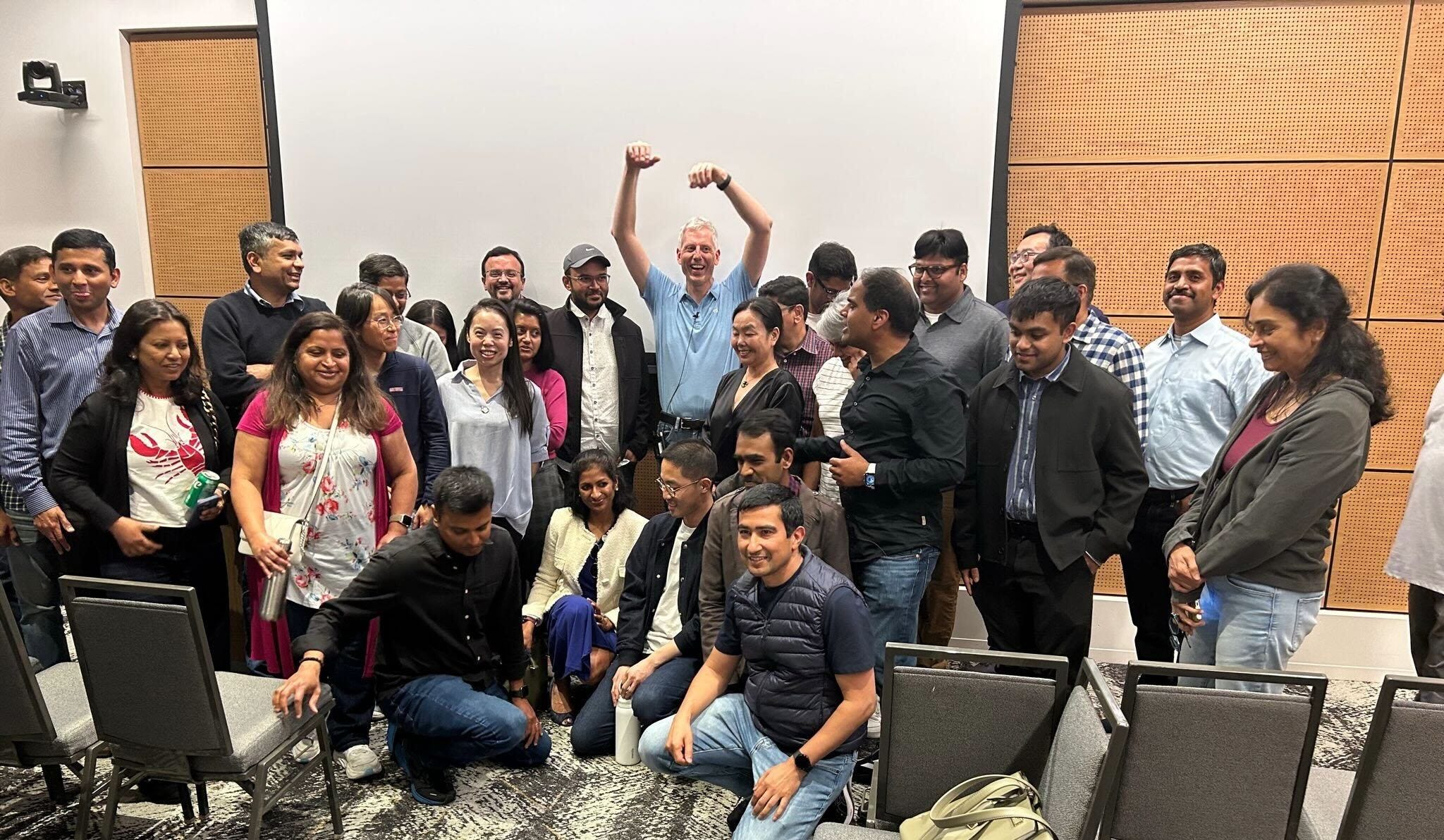
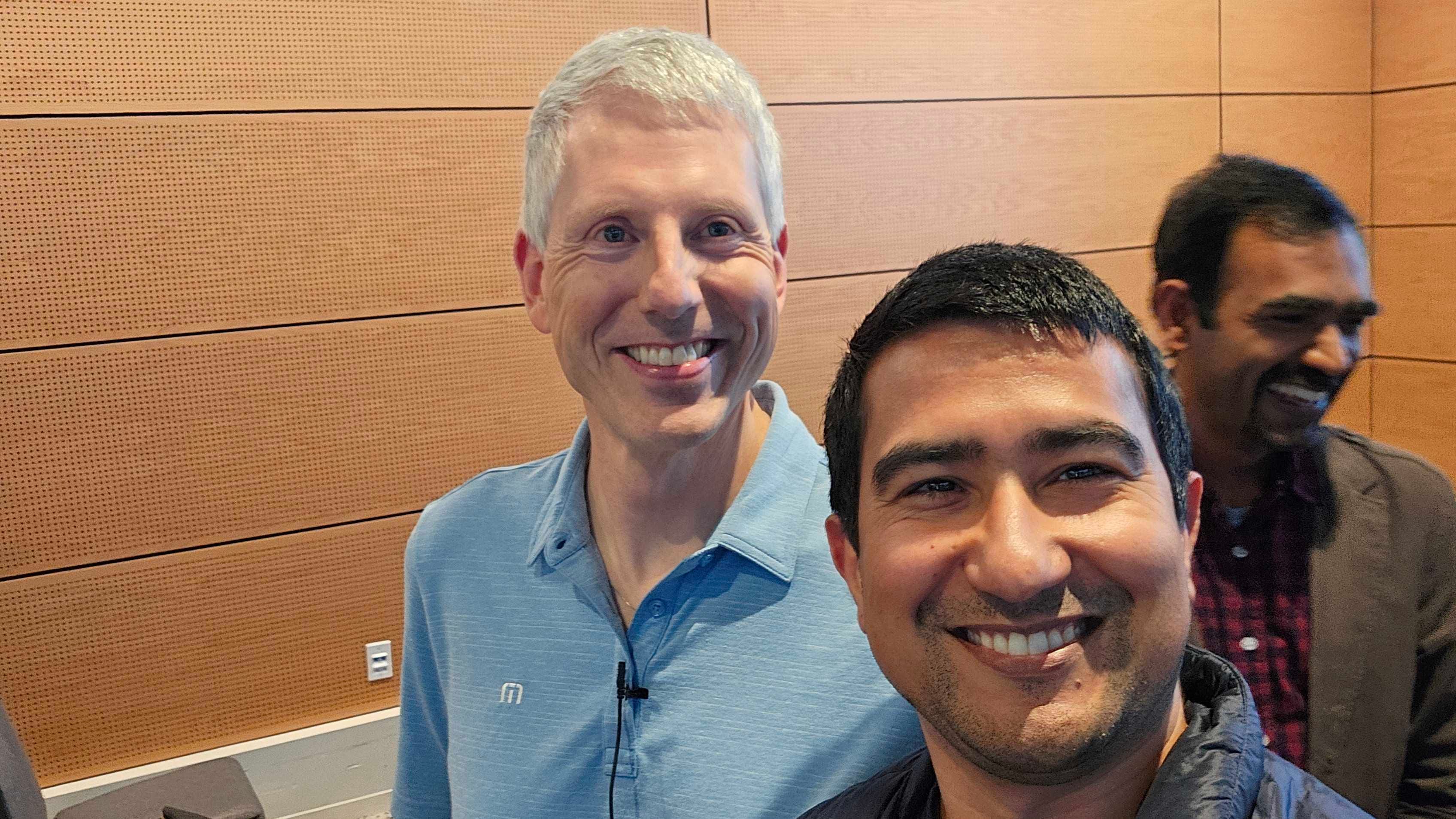
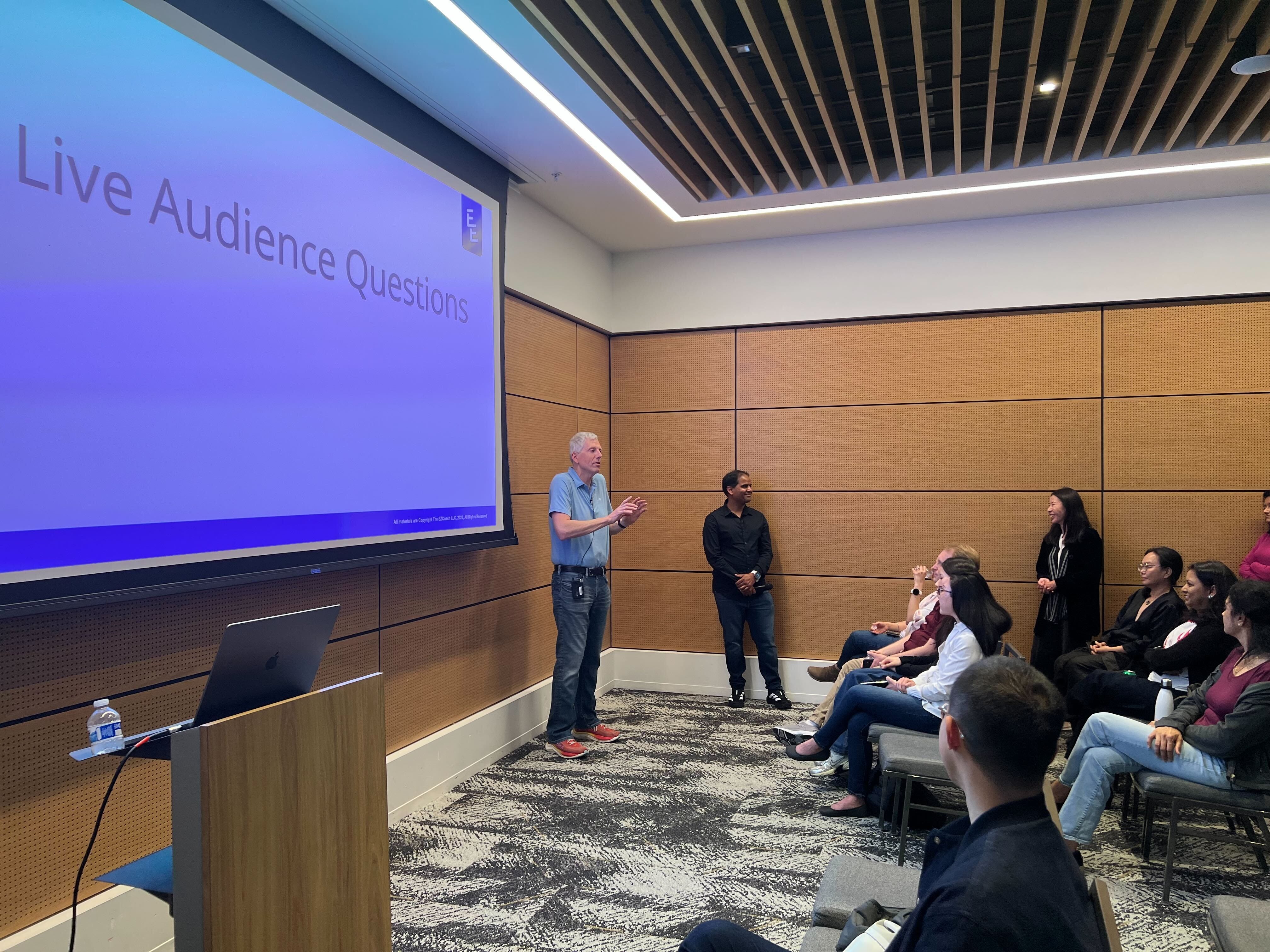
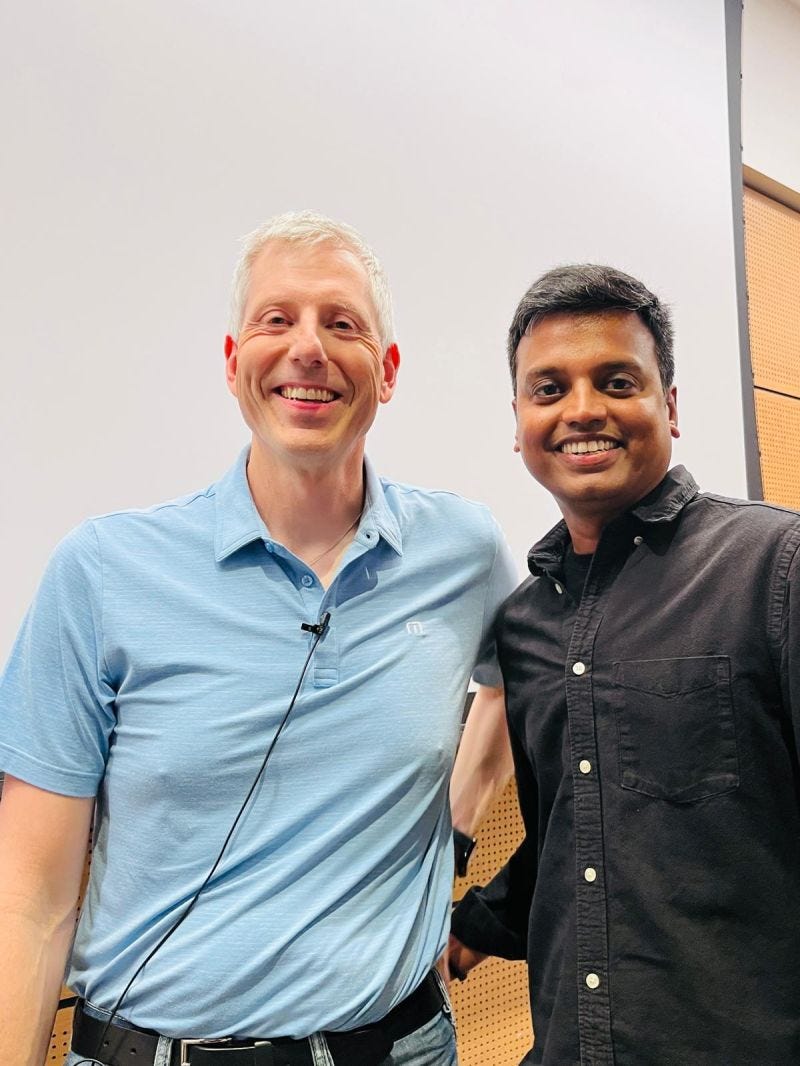
Photos from our April 22, 2025 SF/Fremont Level Up Meetup
Thank you again to Nishant Jain (Apple) and Arjun Raja (Google) for co-hosting.
Read insightful takeaways from Mark Tan (Product Leader) and from Anand Vasudevan (Eng Leader).
Connect With Ethan & Jason
Follow Ethan on LinkedIn.
Get Ethan’s career advice on YouTube.
Connect with Jason (Ethan’s COO) on LinkedIn.
Learn more about Ethan’s live online courses and on-demand courses.
Contact us for corporate training, speaking, podcast appearances, and more.
Leadership Networking course: In this one hour course, learn how leaders build great networks and use them to their advantage.
 | A guest post by
|
Well said. Regardless of people admit or not, none wants to make their own life harder when work is already stressful enough. This also goes into Amazon LP “earning trusts”. Yes you may deliver faster than most, but do you earn trusts upward, downward and among peers
Well said as a reader relatively esrly in their career. This article definitely reminds me of an overarching thesis from "How to Win Friends and Influence people" of "you want to make the other person feel like they matter and get value out from being around you". Give and get go in tango!